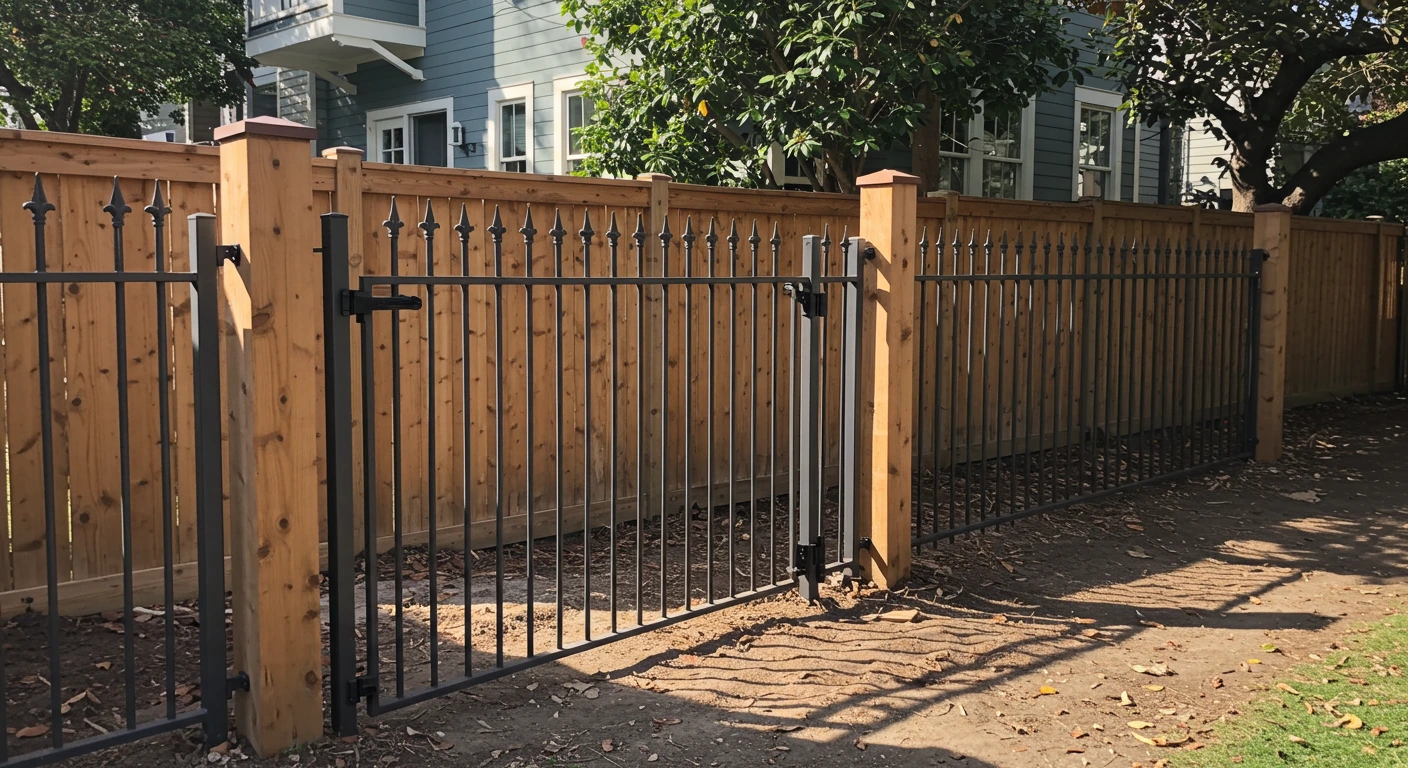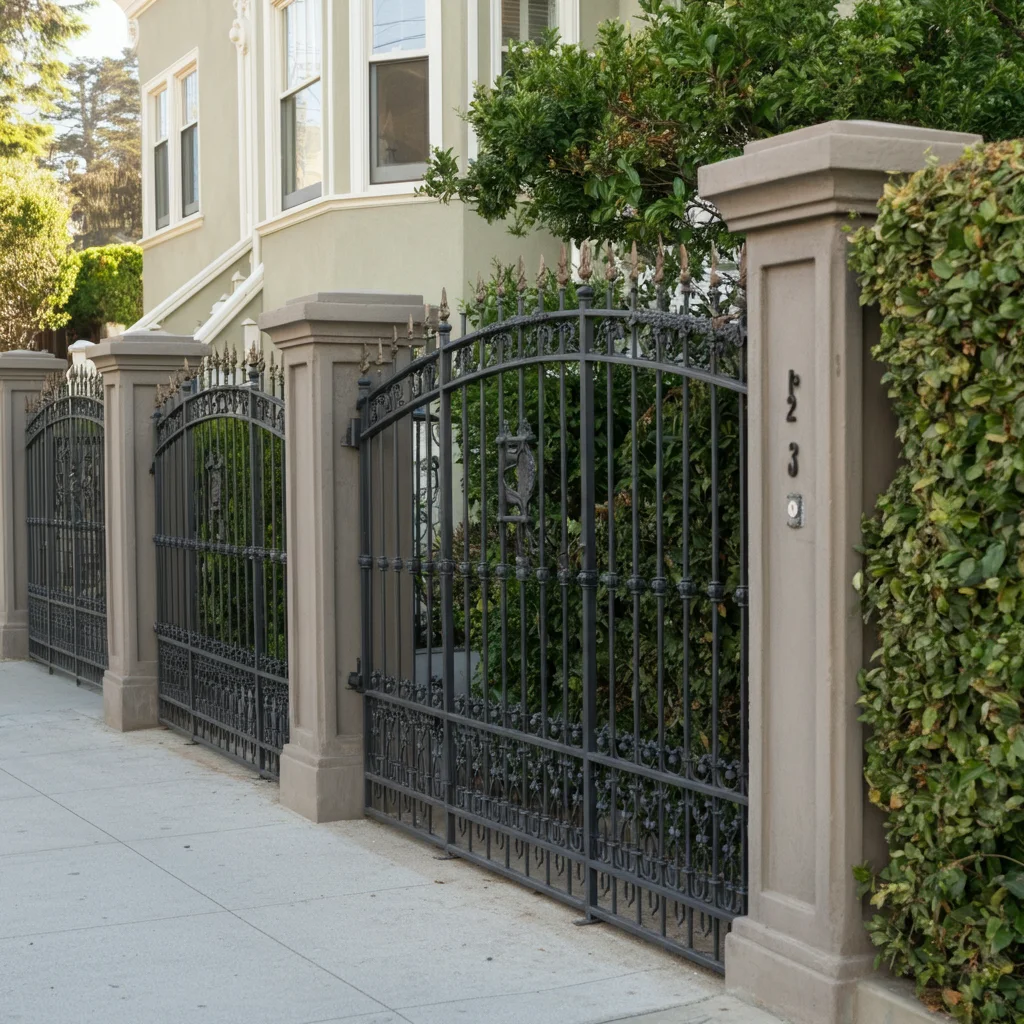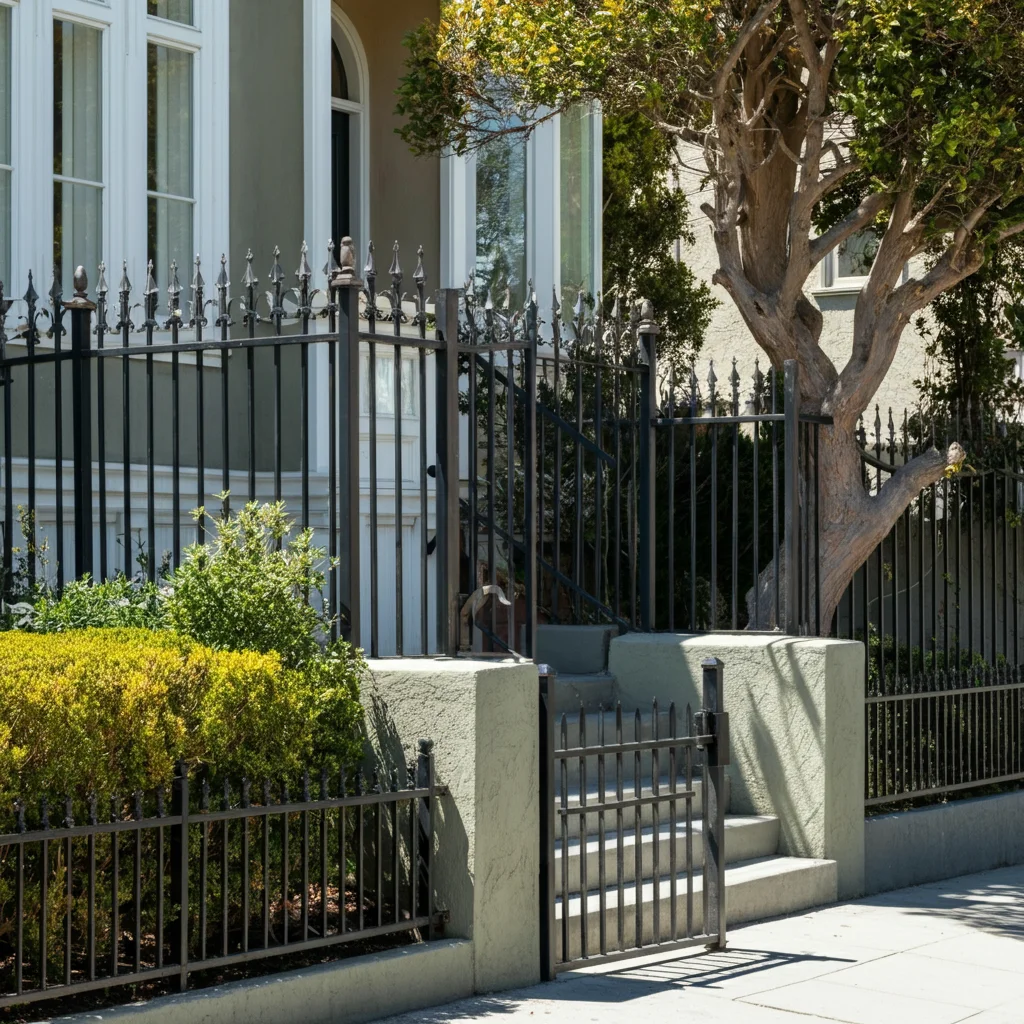
Two quotes for the same fence can differ by thousands of dollars, and that gap does not always mean one contractor is overpriced. In the Bay Area, labor rates, permit requirements, site access, fabrication methods, and finish quality all have a direct effect on the final number. A lower bid may leave out key work. A higher bid may include long-term value that is easy to miss if you only compare the bottom line.
For homeowners in San Francisco, this matters even more because fencing projects often involve hillsides, tight property lines, older homes, shared boundaries, and strict local expectations for appearance and safety. If you are trying to figure out how to evaluate contractor quotes for fencing in the Bay Area, the best approach is to compare scope, materials, workmanship, timeline, and warranty terms side by side. Price is important, but it should be the last part of the review, not the first.
Sam’s Iron Fence Company has seen many property owners request three estimates and still feel unsure about which proposal is actually the best fit. That usually happens because quotes are written in different levels of detail. One contractor lists every step. Another gives a short lump-sum number. A third uses allowances that leave room for future add-ons. Once you know what to look for, those differences become much easier to spot.
Start with scope, not price
The first job is making sure every contractor is pricing the same project. If one quote covers custom iron fabrication, site prep, post setting, primer, finish coating, cleanup, and haul-away, while another only lists fence installation, you are not comparing equal offers.
A complete quote should explain exactly what will be built and installed. That includes fence height, panel style, spacing, gate count, post type, hardware, finish, and any special features. In the Bay Area, it should also mention slope adjustments, transitions along uneven grades, and any access issues that could affect labor. A detailed scope tells you the contractor has thought through the work instead of guessing.
Ask each contractor to clarify these basics before you compare numbers:
- Fence dimensions: total linear footage, height, and layout.
- Material details: iron gauge, picket size, rail size, post size, and hardware quality.
- Gate details: number of gates, swing direction, latch type, locks, and automation readiness if needed.
- Site work: demolition, vegetation clearing, grading adjustments, and debris removal.
- Finish system: galvanizing, primer, powder coating, paint system, and rust protection steps.
- Installation method: concrete footing depth, anchoring approach, and how slope changes will be handled.
Without that level of detail, a quote can look attractive while hiding major omissions.
Review pricing structure line by line
Once the scope is clear, then it makes sense to review the pricing structure. A professional fencing estimate should show how the cost is built, even if it is not broken into dozens of tiny items. You want enough information to understand where your money is going.
Bay Area fencing quotes often reflect several cost categories at once. Fabrication may be priced separately from installation. Custom gates may be listed as individual line items. Permits, removal of an old fence, and site complications may appear as add-ons. That is normal. What matters is transparency.
Here are the most common pricing elements to expect:
- Materials:iron, steel components, fasteners, hinges, latches, and finish materials. Here are the most common pricing elements to expect:
- Materials: iron, steel components, fasteners, hinges, latches, and finish materials.
- Fabrication: shop labor for custom panels, gates, and decorative elements.
- Installation labor: setting posts, aligning panels, securing gates, and final adjustments.
- Demolition and disposal: removal of old fencing, concrete, or damaged posts.
- Permits or inspections: city requirements, if applicable.
- Delivery and transport: especially relevant for custom fabricated sections.
- Site condition adjustments: steep grades, limited access, retaining wall connections, or difficult soil.
If a quote is much lower than the others, look closely at what may be missing. Contractors sometimes leave out demo, omit finish details, use lighter materials, or price the job assuming easy access when the property is actually difficult to work on. Those shortcuts often show up later as change orders.
Pay attention to material quality and fabrication standards
Not all iron fencing is built to the same standard. Two fences can look similar in a photo and perform very differently over the next ten to twenty years. This is one of the biggest reasons quotes vary.
Ask what kind of material is being used and how it will be fabricated. Heavier components generally cost more, but they also improve rigidity and durability. Weld quality matters. So does the finish system. In coastal and fog-heavy parts of the Bay Area, corrosion resistance should never be treated as a minor detail.
A strong proposal should explain whether the fence is being built from stock panels or custom fabricated for your property. Custom work often costs more up front, but it usually produces a cleaner fit, especially on sloped lots or homes with unique architecture. If you want a better sense of what premium residential work can include, Sam’s team outlines options on its residential iron fence installation page.
You should also ask how the contractor handles:
- Weld finishing and smoothingYou should also ask how the contractor handles:
- Weld finishing and smoothing
- Rust-inhibiting primer or protective coating
- Powder coating versus field painting
- Moisture-prone or coastal exposure areas
- Touch-up procedures after installation
These details affect both appearance and maintenance costs over time.
Watch for allowances, exclusions, and vague language
A quote can be detailed on the front end and still leave room for surprise charges later. That usually happens through allowances, exclusions, or wording that sounds specific but is not actually binding.
An allowance is a placeholder amount. For example, a contractor may include a set amount for hardware or finish work without naming the exact product. That is not always a problem, but you should know what happens if the real cost comes in higher. Exclusions are even more important. If a quote excludes permit fees, surface repairs, utility marking, or haul-away, those costs may come back to you later.
Look carefully for phrases like:
- owner to provideLook carefully for phrases like: - owner to provide
Look carefully for phrases like: - owner to provideLook carefully for phrases like: - owner to provide
- if needed
- as required
- standard hardware
- field adjustment extra
- permit fees not included
- subject to site conditions
Those phrases are not automatic red flags, but they do call for follow-up questions. A good contractor should be willing to explain every exclusion in plain language and tell you what the likely added cost would be if that work becomes necessary.
Compare installation methods, not just the finished look
A fence that looks good on day one can still have problems if the installation was rushed or undersized. One quote may include deeper footings, better anchoring, and more careful alignment. Another may price the same footage with a faster, cheaper method that does not hold up as well.
This matters on Bay Area properties because soil movement, grade changes, and moisture exposure can all affect performance. Posts need proper footing depth. Gates need enough structural support to stay aligned. On older San Francisco properties, layout precision is especially important because few lot lines and hardscape conditions are perfectly straightforward.
Ask each contractor how they plan to handle the site. A serious professional should be able to explain the logic behind the installation method, not just promise that the fence will be sturdy. That conversation often tells you more than the written quote alone.
If your project includes higher-security needs for a business, mixed-use site, or perimeter application, it also helps to review how commercial-grade work is approached. Sam’s team provides a useful reference on commercial iron fence installation for owners comparing strength, layout, and long-term performance.
Check timeline, crew coordination, and project management
A low quote may come with a vague timeline, and that can be costly in its own way. Delays affect access, landscaping, tenant schedules, and other contractors if the fence is part of a larger project. In the Bay Area, fabrication lead times, permit review, and weather can all affect scheduling, so a realistic timeline is a sign of experience.
Ask for clarity on these points:
- Start window: when the work can realistically begin. Ask for clarity on these points: 1.
- Start window: when the work can realistically begin.
- Fabrication lead time: how long custom ironwork will take before installation.
- On-site duration: how many days the crew expects to be at the property.
- Inspection timing: whether city inspections could affect progress.
- Change order process: how added work is priced and approved.
- Project contact: who will communicate updates and answer questions.
A contractor who manages projects well usually writes quotes that are organized, specific, and easy to follow. Clear paperwork often reflects clear jobsite processes.
Evaluate warranty terms and what happens after installation
Warranty language is one of the easiest parts of a quote to overlook. Many homeowners focus on the installation price and skip over what protection they actually have if something goes wrong. That can be a mistake, especially with gates, hardware, finish wear, or movement-related adjustments.
A solid quote should explain what is covered, for how long, and what is excluded. Labor and materials are not always covered the same way. Hardware may carry a different warranty than fabricated iron components. Finish warranties may depend on environmental conditions or maintenance practices.
This is also a good time to ask what support looks like after the project is complete. Will the contractor return for gate adjustments if settling occurs? Do they offer maintenance guidance? Can they help with touch-up work years later? Family-run companies with a strong local presence often stand behind their work more consistently because their reputation depends on it. You can get a sense of that approach on the About Sam’s Iron Fence Company page.
Use contractor communication as part of the evaluation
The quote itself is only one part of the decision. How a contractor communicates before the project often reflects how they will communicate during the project. If it takes repeated calls to get answers now, that pattern may continue once the contract is signed.
Pay attention to whether the contractor listens to your goals, asks good site-specific questions, and explains tradeoffs honestly. A trustworthy fencing professional should be able to tell you why a certain design, material, or installation method is better for your property, even if it is not the cheapest option. They should also be willing to explain where you can save money without compromising safety or performance.
That kind of communication is especially useful in San Francisco neighborhoods where design preferences, property line concerns, and access limitations all shape the final plan. Homeowners often need more than a number. They need guidance.
Red flags that should slow down your decision
Some warning signs show up repeatedly in fencing quotes. They do not always mean you should walk away immediately, but they should make you ask more questions.
- Very short estimates: one total price with little or no scope detail.
- Large upfront payment demands: especially if they are far above local norms.
- No mention of permits or site conditions: even when the property clearly has complexities.
- Unclear material specs: no gauge, no component sizes, no finish details.
- No written warranty: or warranty language that is extremely vague.
- Pressure to sign quickly: especially tied to temporary pricing claims.
- No explanation for a very low price: if it cannot be justified clearly, something may be missing.
A quote should make you feel more confident, not more confused.
How to choose the best value for your property
The best quote is rarely the cheapest and not always the most expensive. The right choice is the contractor who gives you a well-defined scope, quality materials, sound installation methods, realistic scheduling, and a clear path for support after the work is done.
For Bay Area homeowners, value means more than initial cost. It includes how well the fence fits the property, how long it lasts, how it handles local weather, and how much maintenance it will need over time. A custom iron fence is a visible part of your home’s security and curb appeal. It should be priced with care and built with the same level of care.
If you are collecting estimates and want a clearer picture of what should be included, Sam’s Iron Fence Company can help you review the details and plan the right solution for your property. Reach out through the free estimate and consultation page to talk through your project, your site conditions, and the quote factors that matter most before you make a final decision.