
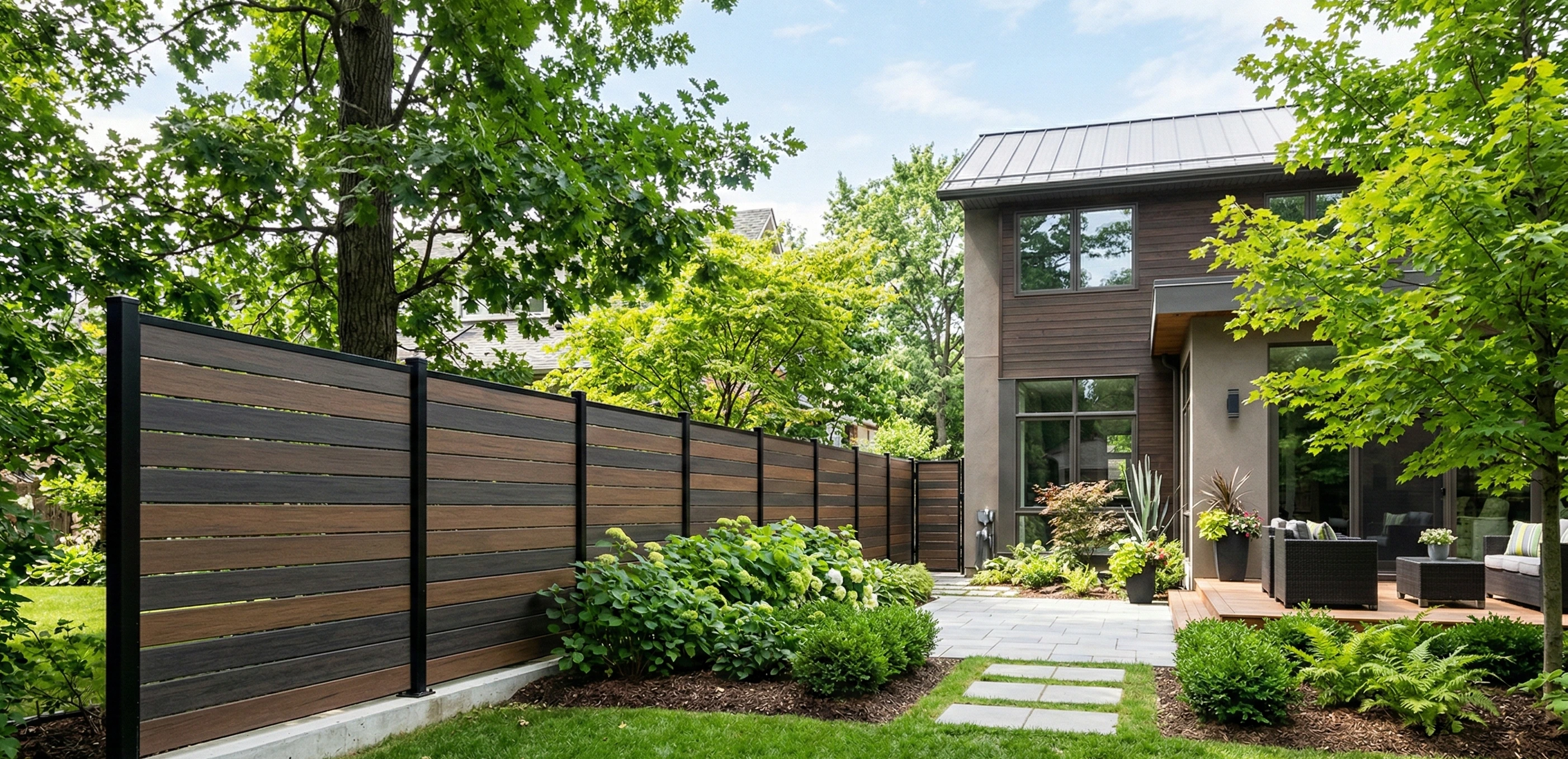
When it comes to enhancing your outdoor space, a privacy fence is a vital addition that offers not only security but also aesthetic appeal. In San Rafael, choosing the right material for your privacy fence is crucial to ensure it withstands the local weather while meeting your needs. This guide will delve into the various materials available, their benefits and drawbacks, and help you make an informed decision.
Understanding the Need for Privacy Fencing
Privacy fences serve multiple purposes. Primarily, they offer seclusion from neighbors and passersby, making your outdoor space more enjoyable. Additionally, they can act as a windbreak, reduce noise, and enhance the overall security of your property. Before selecting materials, consider your primary goals for the fence. Are you looking for maximum privacy, durability, or perhaps a combination of both? Understanding your needs will greatly help in determining which material is best suited for your privacy fencing.
Popular Materials for Privacy Fencing
When it comes to privacy fences, several materials are commonly used. Each comes with its unique characteristics, advantages, and potential downsides. Here’s a closer look at the most popular materials for privacy fencing:
Wood Fencing
Wood is one of the most traditional materials for privacy fences. It offers a natural look and can be customized easily to fit various styles.
Advantages
- Aesthetic Appeal: Wood provides a classic, warm appearance that complements various landscapes.
- Customizability: You can choose from different species (such as cedar, redwood, or pine) and styles (like picket, board-on-board, or shadowbox).
- Cost: Generally, wood is more affordable compared to some other materials.
Disadvantages
- Maintenance: Requires regular maintenance, including staining or painting, to prevent rot and decay.
- Durability: Prone to damage from weather elements, pests, and warping over time.
Vinyl Fencing
Vinyl fencing has gained popularity due to its low maintenance and durability.
Advantages
- Low Maintenance: Unlike wood, vinyl does not need painting or staining and can easily be cleaned with soap and water.
- Durability: Resistant to fading, rotting, and pests, making it a long-term investment.
- Variety: Available in numerous colors and styles, allowing for a customized look.
Disadvantages
- Cost: Initial investment can be higher than wood.
- Temperature Sensitivity: May become brittle in extreme temperatures, particularly cold.
Chain Link Fencing
While not a traditional privacy fence, chain link fences can be enhanced with privacy slats or fabric.
Advantages
- Affordability: One of the most economical fencing options available.
- Durability: Resistant to rust and corrosion, especially when coated with vinyl.
Disadvantages
- Limited Privacy: Without additional slats or fabric, it does not offer significant privacy.
- Aesthetic Limitations: Often viewed as less attractive compared to other options.
Composite Fencing
Composite materials blend wood fibers and plastic to create a durable and low-maintenance option.
Advantages
- Eco- Friendly: Made from recycled materials, making it a sustainable choice.
- Durability: Resistant to rot, insects, and fading.
- Low Maintenance: Requires minimal upkeep, similar to vinyl.
Disadvantages
- Cost: Generally more expensive than wood and chain link options.
- Appearance: While improving, some may still prefer the natural look of wood.
Metal Fencing
Metal options such as aluminum and steel provide a robust and stylish choice for privacy fencing.
Advantages
- Durability: Extremely long-lasting and resistant to weather and pests.
- Low Maintenance: Requires minimal upkeep aside from occasional cleaning.
- Security: Offers a higher level of security compared to most wooden fences.
Disadvantages
- Cost: Higher initial investment than wood or chain link.
- Heat Conductivity: Metal can become very hot in the sun, which might be uncomfortable.
Factors to Consider
When Choosing Privacy Fence Materials ?
Selecting the right material for your privacy fence involves weighing several factors. Here are some key considerations:
- Local Climate: San Rafael experiences a Mediterranean climate, characterized by warm, dry summers and mild, wet winters. Choose materials that can withstand these conditions without deteriorating quickly. For instance, wood may require more maintenance due to moisture and humidity.
-Purpose of the Fence: Define what you want to achieve with your privacy fence. If security is a priority, metal or composite materials might be ideal. If aesthetics and natural beauty are your focus, wood or vinyl could be the better option.
-Budget: Establishing a budget is critical. While some materials may have a higher upfront cost, consider the long-term maintenance costs and durability.
-Installation: Some materials are easier to install than others. If you’re considering a DIY project, wood and vinyl are generally more straightforward to work with than metal.
-HOA: Regulations If you live in a community with a Homeowners Association (HOA), check for any guidelines or restrictions regarding fencing materials, height, and styles.
Conclusion
Choosing the right material for your privacy fence in San Rafael involves careful consideration of various factors, including aesthetics, durability, and maintenance requirements. Whether you opt for the classic look of wood, the longevity of vinyl, or the robust nature of metal, understanding the pros and cons of each material will help you make an informed choice. For more information on fencing options or to get started on your privacy fence installation, feel free to reach out to Sam’s Iron Fence Company for expert advice and assistance. We’re here to help you enhance your home’s outdoor space with the perfect privacy fence tailored to your needs. Explore our various fencing solutions today and take the first step towards your dream yard!